

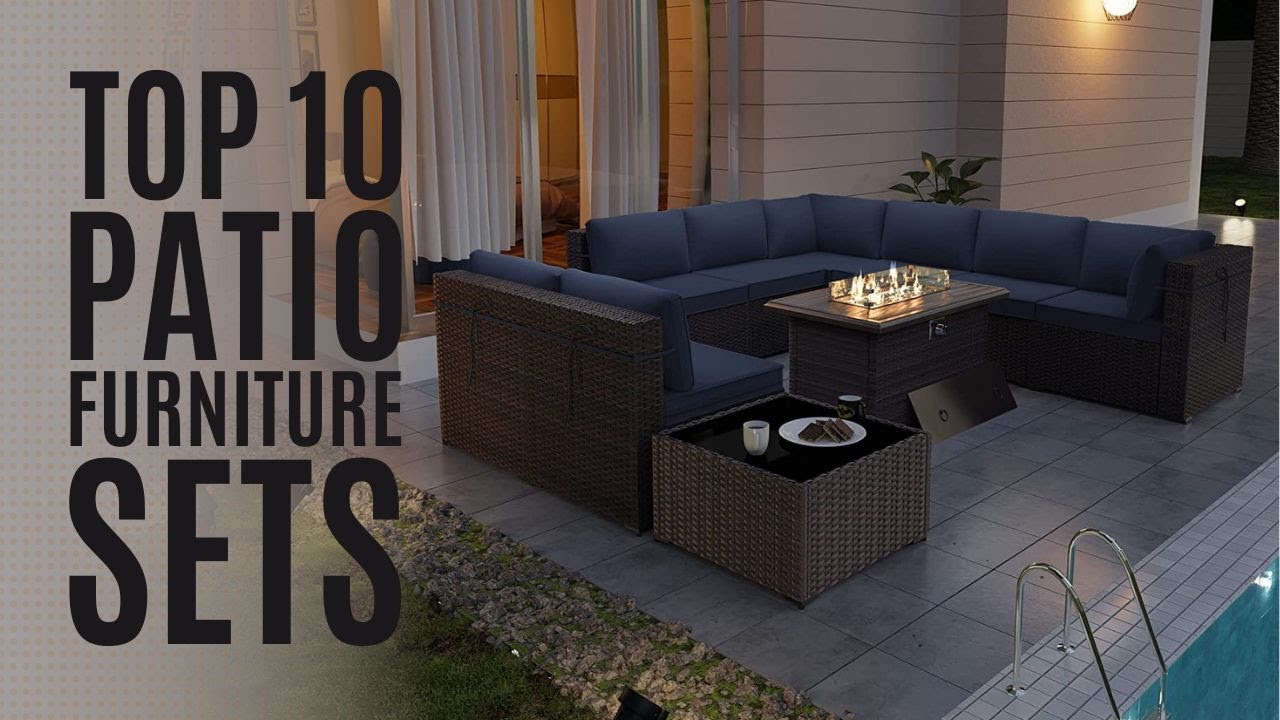
Choosing the right outdoor lighting is more than simply illuminating your yard; it's about producing ambiance, boosting safety, and increasing the total aesthetic appeal of your home. With a myriad of alternatives readily available, selecting the ideal outdoor lighting can feel overwhelming. This guide aims to simplify that procedure by comparing different elements of outdoor lighting, supplying you with necessary ideas to make a notified choice.
Why Outdoor Lighting Matters
Outdoor lighting serves several functions: it boosts security, enhances curb appeal, develops entertaining areas, and helps with safe navigation on your residential or commercial property after dark. With many styles and innovations offered, understanding what fits your needs best is crucial. Let's look into the five vital pointers that can help you choose the perfect outdoor lighting.
1. Purpose of Lighting
Understanding Your Requirements:
- Security: If security is your main concern, opt for motion sensor lights or floodlights. Ambiance: For amusing or peaceful spaces, consider softer lights like string or lanterns. Pathway Lighting: Usage landscape lights to securely brighten walkways.
|Function|Suggested Type|| --------------------|-------------------------|| Security|Movement Sensor/Floodlights|| Atmosphere|String Lights/Lanterns|| Path Awareness|Landscape Lights|
2. Types of Fixtures
The type of component plays a substantial function in both performance and visual appeals. Here are some common types:
- Wall-mounted Lights: Perfect for patio areas and entrances. Post Lights: Great for driveways or garden areas. String Lights: Perfect for including charm to social gatherings.
Pros and Cons:
|Fixture Type|Benefits|Drawbacks|| --------------------|--------------------------------------------------|-----------------------------------|| Wall-mounted|Space-saving; flexible|Restricted light spread|| Post lights|High visibility; ornamental|Can be overturned|| String lights|Produces atmosphere; easy to set up|Not as intense; requires power|
3. Energy Efficiency
With growing concerns about energy consumption and ecological effect, energy-efficient options are ending up being significantly popular.
- LED Lights: Long-lasting and consume less energy compared to conventional bulbs. Solar-powered Lights: Harness solar power throughout the day to supply illumination at night without any electricity cost.
Comparison Table:
|Type|Energy Consumption|Life-span|Preliminary Expense|| ---------------------|----------------------|-------------------|---------------------|| LED|Low|Up to 25,000 hours|Moderate|| Solar|Zero (after installation)|Varies|Greater preliminary cost however conserves in long term|
4. Lighting Controls
Having control over your outdoor lighting can improve convenience and efficiency.
- Manual Switches: Simple however might not provide advanced features. Timers: Automatically turn lights on/off at fixed times. Smart Controls: Permit remote gain access to via apps for customization.
Control Contrast:
|Control Type|Advantages|Limitations|| ---------------------|---------------------------------|----------------------------------|| Handbook Switch|Simple setup|Needs manual operation|| Timers|Automatically manages usage|Needs adjustment for season changes|| Smart Controls|Adjustable; practical|Greater preliminary financial investment|
5. Design Aesthetics
Your outdoor lighting need to match your home's architecture and landscaping style.
- Modern Designs: Streamlined lines and metal finishes work well with modern homes. Vintage Styles: Can add character to standard homes or gardens.
Design Considerations:
Match the style with existing architecture (e.g., rustic components for log cabins). Choose colors that harmonize with your outside paint or landscaping elements.Visual Style Contrast Table:
|Design|Best Matched For|| ---------------------|-------------------------|| Modern|Contemporary homes|| Vintage|Standard settings|| Rustic|Natural landscapes|
Conclusion
In summary, selecting the best outdoor lighting involves thinking about several factors such as function, component types, energy effectiveness, control systems, and design visual appeals. Each element plays a vital function in how efficient and attractive your outdoor lighting will be.
Ultimately, prioritize what matters most based on your specific requirements-- whether that's security features or style compatibility-- and think about purchasing energy-efficient services that conserve costs in the long run.
Taking these tips into account makes sure that you'll not just attain functional lighting however likewise produce http://damienzgyz089.lucialpiazzale.com/the-ultimate-guide-to-important-outdoor-garden-materials a welcoming environment that enhances your home's exterior aesthetic.
By understanding these five necessary ideas-- purpose of lighting, kinds of components, energy performance options, control techniques, and style visual appeals-- you empower yourself to make educated choices that improve your outdoor space while reflecting personal style and values. Pleased decorating!